José Luis Marín · The Málaga School
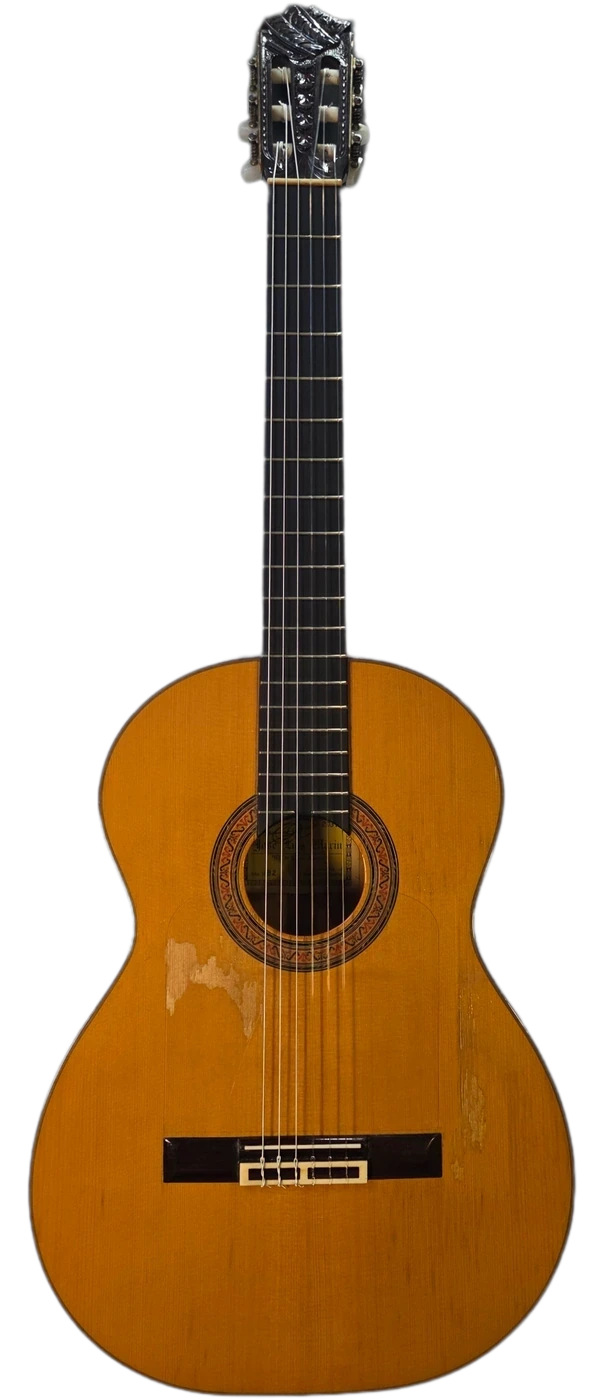
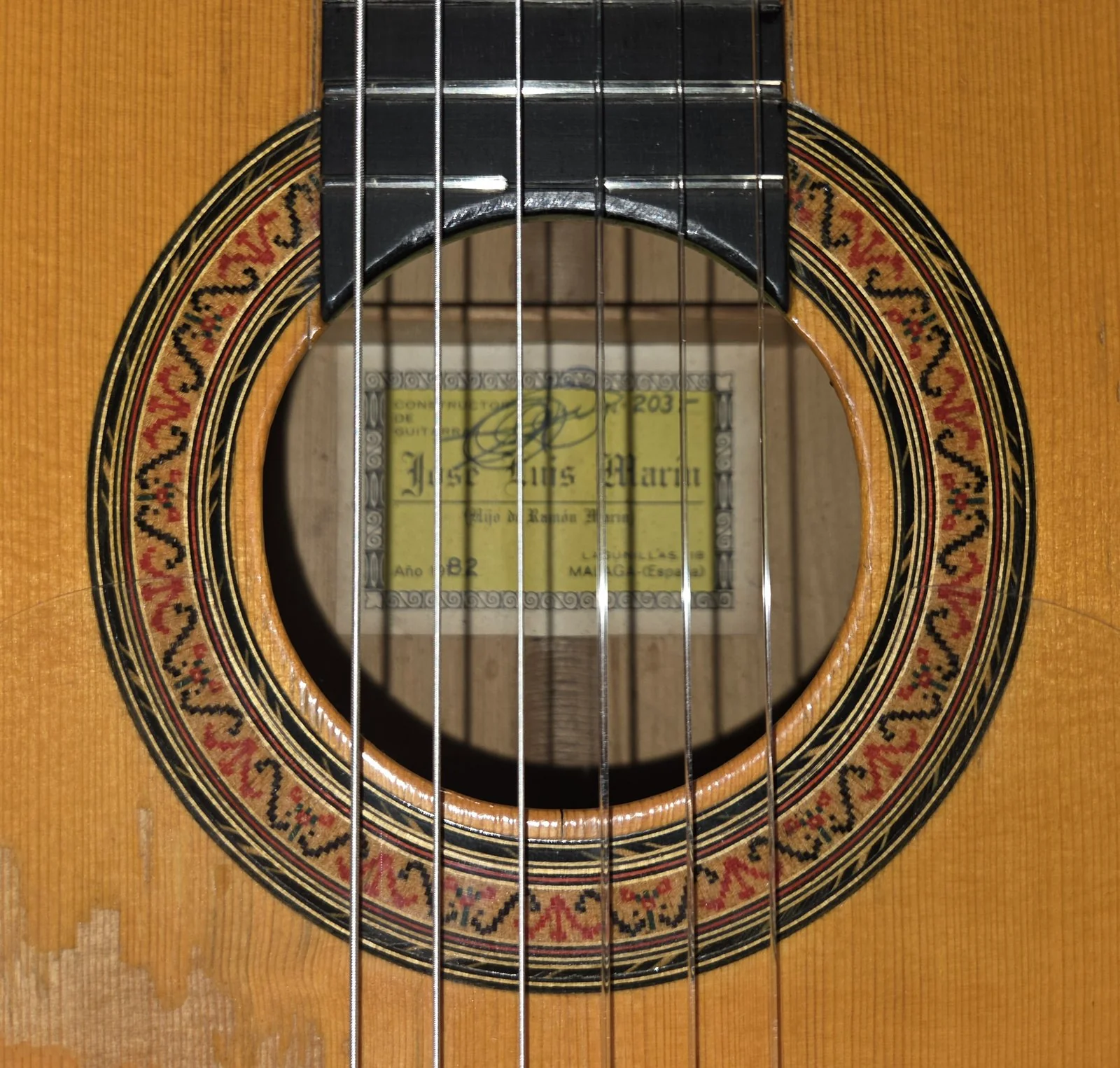
José Luis Marín is the son of Ramón Marín, the patriarch of the Málaga school of guitar making. El Hijo - The Son - carries both the family name and the school tradition into the second generation. Label confirmed 2026. MARÍN burn stamp on neck block confirmed. Numbered production.
El Hijo documents the Málaga school's second generation. The instrument is the collection's sole Málaga school representative.
Málaga School Anchor
El Hijo is the sole Málaga school representative in the collection. The Marín workshop lineage - Ramón Marín (patriarch) to José Luis Marín (The Son) - is the defining dynasty of the Málaga school. Marín instruments surface with near-zero frequency in specialist trade. The full lineage context is covered in the ANICETO University curriculum.
Instrument Record
| Instrument Name | El Hijo · The Son |
| Maker | José Luis Marín · Son of Ramón Marín · Lagunillas 18, Málaga |
| Year | 1982 · Numbered production |
| School | Málaga · Sole school representative |
| Type | Flamenca Blanca |
| Top | Spruce |
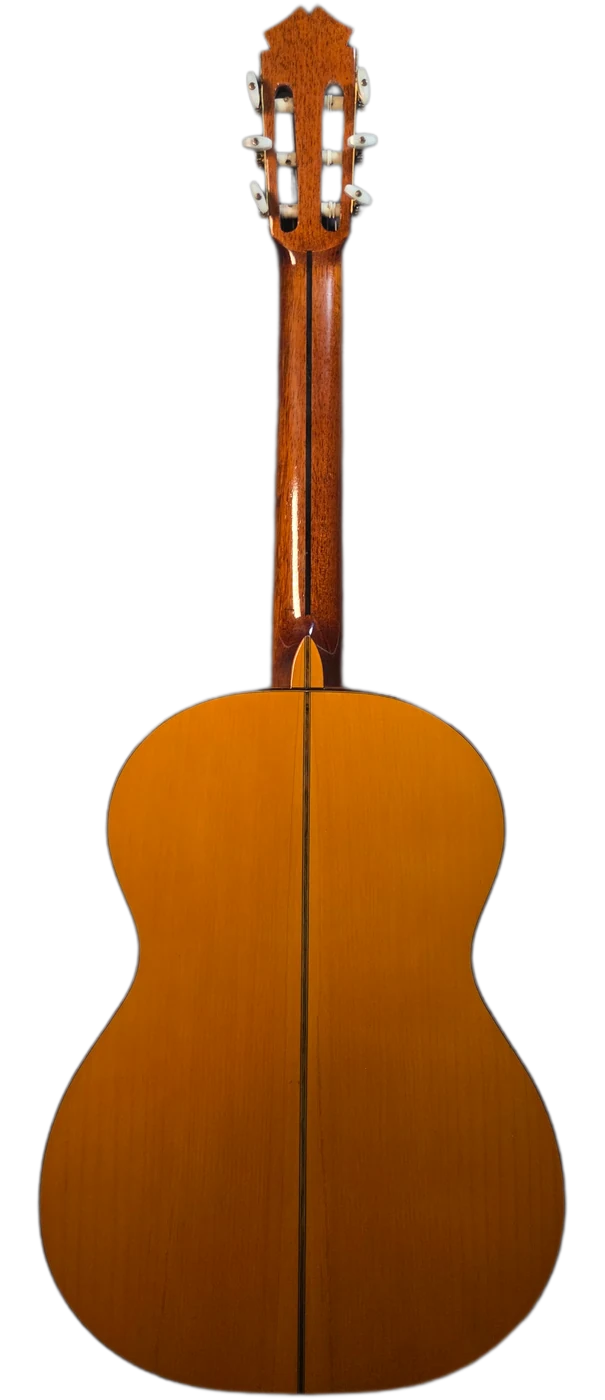
| Back & Sides | Cypress |
| Label | Confirmed 2026: José Luis Marín, Lagunillas 18, Málaga, Año 1982 · Label reads: Hijo de Ramón Marín |
| Neck Block | MARÍN burn stamp confirmed 2026 |
| Collection Role | Málaga Anchor |
Label confirmed. The instrument has been professionally inspected and conserved to museum standard. Interventions are documented and kept to the minimum the instrument requires. Its structural and provenance record is maintained privately under museum archival standard.
Tradition & Use
Málaga faces the Mediterranean rather than the Atlantic - a coastal city whose flamenco tradition reflects that geography. The fandango malagueño is its signature form: lyrical, ornate, carrying the warmth of the Costa del Sol. El Hijo was built for that tradition.
The story of this guitar is in the curriculum.
The Málaga school and the Marín workshop dynasty are documented in the ANICETO University curriculum, Module 6 · The Collection. The fandango malagueño is covered in Module 4 · The Palos.
Explore the Curriculum